
UK-wide travel health guide
Travel well.
Vaccinated before you fly.
Find travel vaccination clinics across the UK, and understand which jabs and services your trip actually calls for — before you book.
- 13 vaccine guides
- 12 UK regions
- Independent & free to use

How it works
Three steps to a protected trip
Search your area
Enter your postcode or browse by city and region to find your nearest area guide.
Learn what applies
Read plain-English guides to each vaccine: what it protects against, timing and typical destinations.
Book with a clinic
Take your itinerary to a pharmacist or clinic and arrange your consultation in good time.
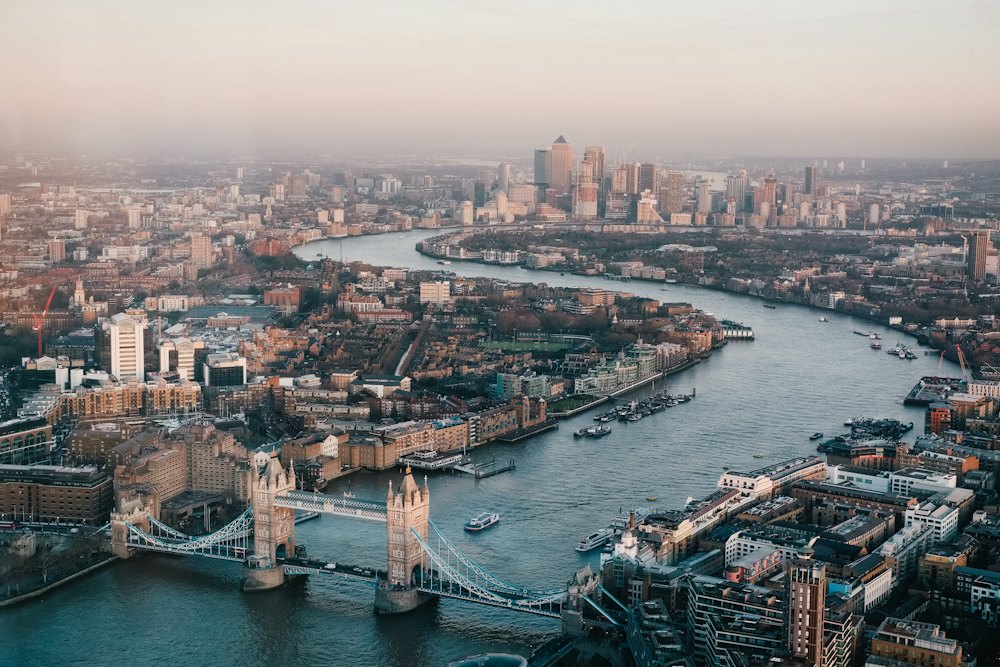
Popular cities
Search by city




Vaccine guides
Travel vaccines, explained simply
Each guide covers what the vaccine protects against, how many doses to expect, when to have them, and the kinds of destinations it is usually recommended for.

Your pharmacist or travel nurse can match the right vaccines to your itinerary.
Before you go
Plan your travel health like you plan your route
- Start earlySome courses need several doses over weeks. Booking early gives full protection time.
- Bring your itineraryDestinations, trip length and activities all change which vaccines make sense.
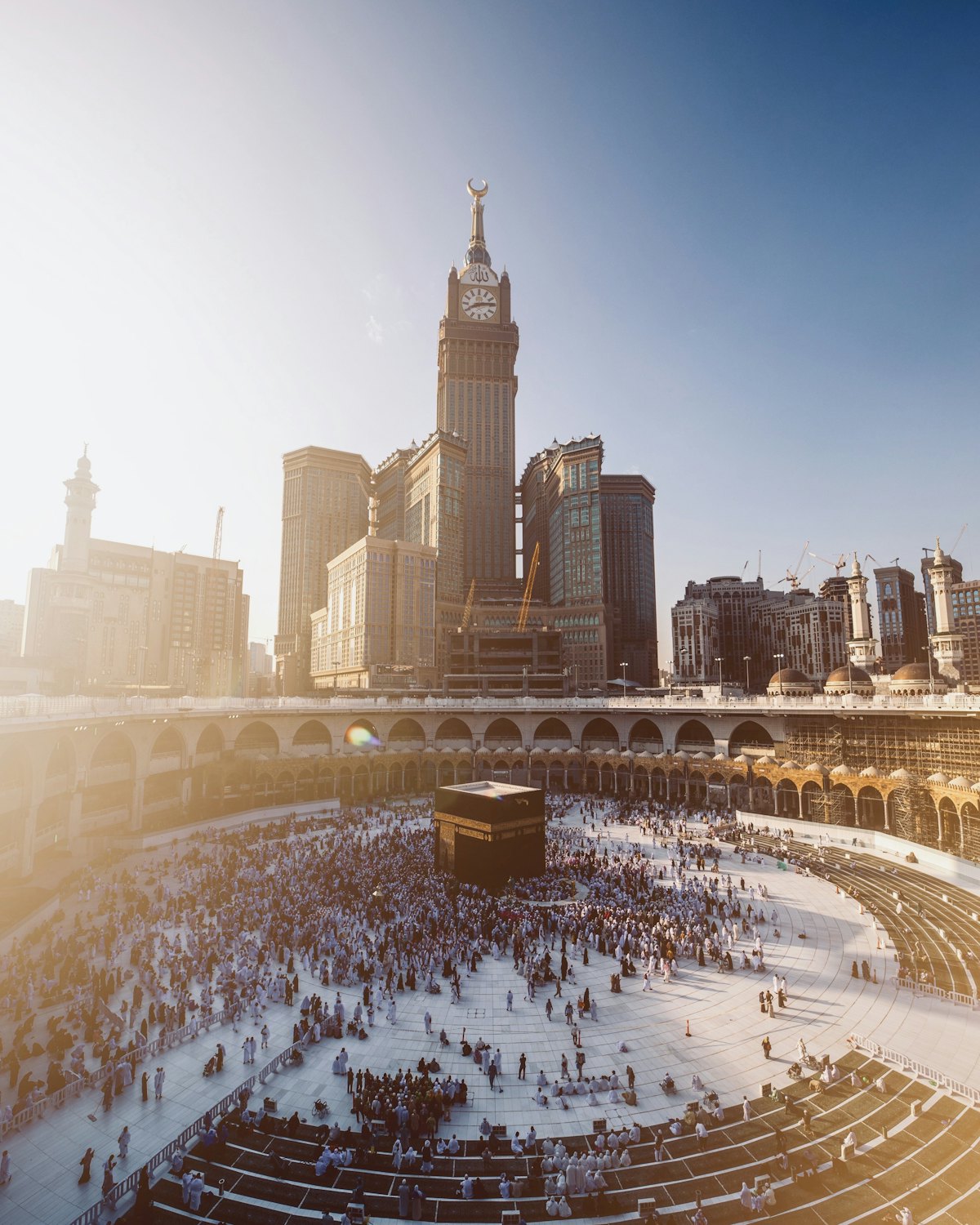
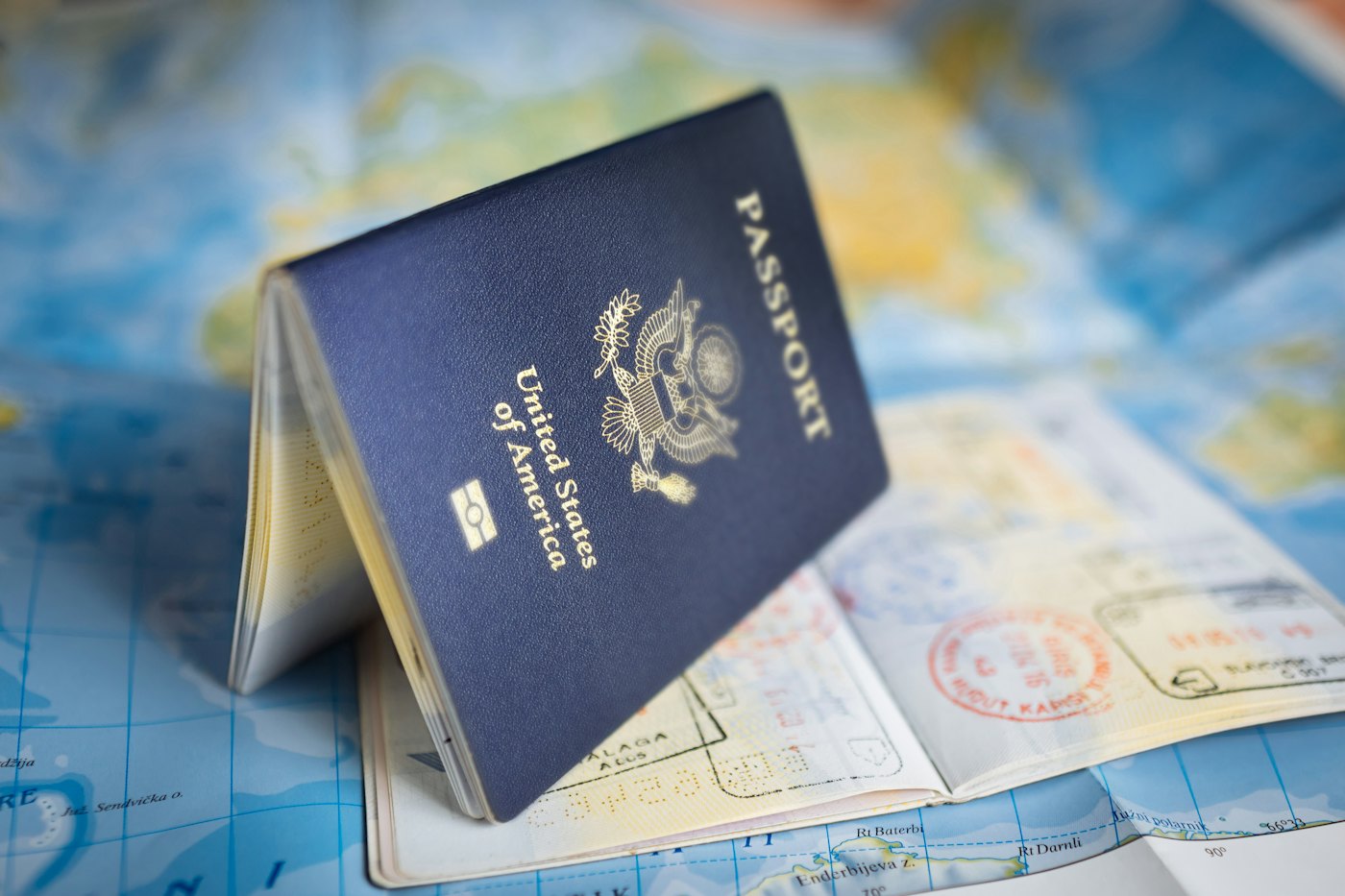
- Check certificatesHajj, Umrah and some countries require proof of vaccination to enter.
Across the UK
Browse by region
How far ahead of my trip should I get travel vaccines?
Ideally 6 to 8 weeks before you travel. Some vaccines need more than one dose spread over weeks, and your body needs time to build protection. Last-minute trips are still worth a consultation — a clinician can tell you what is realistic in the time you have.
Are travel vaccines free on the NHS?
Some are — for example diphtheria, tetanus and polio, typhoid, hepatitis A and cholera are generally available free through NHS GP practices. Others, such as rabies, Japanese encephalitis, tick-borne encephalitis and hepatitis B for travel, are usually private. Always check with your GP or a travel clinic.
Do I need a certificate to enter certain countries?
A few destinations require proof of vaccination. Pilgrims travelling for Hajj or Umrah need a Meningitis ACWY certificate, and some countries require proof of yellow fever vaccination. Check entry requirements for every country on your route, including stopovers.
Which vaccines do I need for my trip?
It depends on where you are going, how long for, what you will be doing and your own medical history. A travel health consultation matches those details to the vaccines and precautions that are actually relevant to you.
What is this website, and does it book appointments?
UK Travel Clinics is an independent information directory. We explain travel vaccines and services and are building area guides across the UK. Appointments are arranged directly with the clinic or pharmacy you choose.

For pharmacies & clinics
Run a travel clinic or pharmacy?
We're building 86 area guides across the UK. Get listed so travellers searching your area can find you.
List your clinic